Herloit: Defining the Visual Spirit of Gaming
In the saturated landscape of digital entertainment and graphic design, typography often serves as the silent ambassador of a brand’s identity. For gaming enthusiasts, indie developers, and visual designers, selecting the right typeface is not merely an aesthetic choice; it is a strategic decision that influences user engagement and emotional resonance. Herloit emerges in this space as an unrivaled choice for those seeking a unique look that authentically reflects the spirit of gaming. Unlike generic sans-serif options that blend into the background, Herloit brings a new dimension to your designs through its distinct character and versatile styling options.
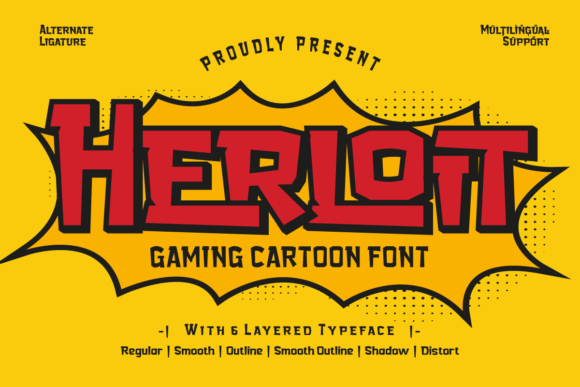
The core value of Herloit lies in its ability to bridge the gap between artistic expression and functional clarity. Whether you are designing a high-octane shooter interface, a mysterious puzzle game logo, or promotional materials for an esports tournament, the font family provides the necessary tools to communicate tone effectively. With six amazing styles, including Regular, Smooth, Outline, Shadow, and Distort, Herloit allows creators to tailor their visual language with precision. This versatility ensures that the typography supports the narrative rather than distracting from it.
Understanding the Versatility of Six Distinct Styles
One of the most significant challenges in game design is maintaining visual consistency while adapting to different contexts. A font that works perfectly for a main menu might fail miserably in an in-game HUD due to readability issues. Herloit addresses this by offering a comprehensive suite of styles, each designed for specific applications within the gaming ecosystem.
The Regular style serves as the foundation of the family. It provides exceptional clarity and readability, making it ideal for body text, instructional overlays, and dialogue boxes where legibility is paramount. When players need to absorb information quickly during intense gameplay moments, the clean lines of the Regular style ensure that communication remains uninterrupted.
For projects requiring a more contemporary feel, the Smooth style adds a subtle touch for a more modern aesthetic. This variant softens the aggressive edges often associated with gaming fonts, creating a sleek and polished look suitable for strategy games, simulation interfaces, or minimalist branding. It demonstrates that gaming typography does not always need to be loud to be effective.
The Outline style introduces an artistic element that can significantly enhance visual hierarchy. By stripping away the fill and focusing on the structure, this style works exceptionally well for layered designs where background imagery needs to shine through. It is particularly useful for creating depth in posters, stream overlays, and title screens without overwhelming the viewer.
When depth and dimension are required, the Shadow style provides a deep effect that mimics three-dimensional space. This is invaluable for creating impactful logos and headers that need to pop against flat backgrounds. The shadow effect adds weight and presence, ensuring that key titles command attention immediately.
Finally, the Distort style brings a striking futuristic look that captures the essence of cyberpunk, sci-fi, and glitch-art genres. This style is perfect for conveying tension, chaos, or advanced technology. It transforms standard text into a visual event, making it an excellent choice for villain introductions, warning messages, or high-energy action sequences.
Enhancing Brand Identity and User Experience
Every character in the Herloit family is designed with precision to provide a charming aesthetic that resonates with modern audiences. These fonts are not just tools; they are works of art that enrich your visual design. For marketers and small business owners in the gaming niche, consistent typography strengthens brand recognition. When a player sees a specific stylistic treatment across social media posts, video thumbnails, and the game itself, it creates a cohesive experience that builds trust and familiarity.
Consider the practical application for a freelance designer working on a mobile game launch. Using Herloit allows them to maintain a unified visual theme across app store screenshots, promotional banners, and the in-game UI. The creative freedom offered by the six different styles means the designer can customize the look of the game to match the evolving needs of the project without sourcing multiple unrelated fonts. This efficiency saves time and reduces the cognitive load on the development team.
Moreover, the emotional impact of typography should not be underestimated. Herloit enables creators to bring tension, refinement, or futuristic uniqueness to every detail. A horror game might utilize the Distort style to create unease, while a racing simulator might leverage the Smooth style to convey speed and precision. By aligning the typeface with the game’s core mechanics and narrative themes, designers can deepen player immersion.
Practical Applications for Creators and Entrepreneurs
Beyond game development, Herloit holds significant value for content creators, educators, and publishers. Streamers and YouTubers can use the Outline and Shadow styles to create eye-catching thumbnails that stand out in crowded feeds. The bold nature of these styles ensures readability even at smaller sizes on mobile devices, which is crucial for click-through rates.
For entrepreneurs launching gaming-related merchandise, such as apparel or accessories, the Distort and Regular styles offer versatile options for print design. The artistic quality of the font ensures that products look professional and appealing, potentially increasing sales conversion. Educators teaching graphic design or digital media can also use Herloit as a case study in how typeface selection influences user perception and interaction design.
However, it is important to consider fit and limitations. While Herloit is powerful for display purposes, it may not be suitable for long-form textual content outside of gaming contexts, such as academic papers or corporate reports. Its distinctive personality is best leveraged in environments where creativity and thematic alignment are prioritized. Users should compare options if their project requires a neutral, invisible typeface, but for those aiming to make a statement, Herloit offers a compelling advantage.
Making the Right Choice for Your Project
Selecting the right style within the Herloit family depends on your specific goals. If your primary objective is clear communication, start with the Regular style and layer other variants for emphasis. If you aim to evoke emotion or atmosphere, experiment with Distort or Shadow to set the mood early in the user journey. The key is to use the font intentionally, ensuring that each stylistic choice serves a purpose in the overall design narrative.
Ultimately, Herloit empowers creators to move beyond generic templates and craft unique visual identities. By providing a range of styles that cater to different aspects of gaming culture, it supports both artistic ambition and practical functionality. Whether you are refining a user interface or designing a marketing campaign, Herloit offers the tools needed to elevate your work. Embrace the creative freedom it provides, and let your designs reflect the true spirit of gaming with precision and flair.