Chill Chirp: Embracing Authenticity in Modern Display Typography
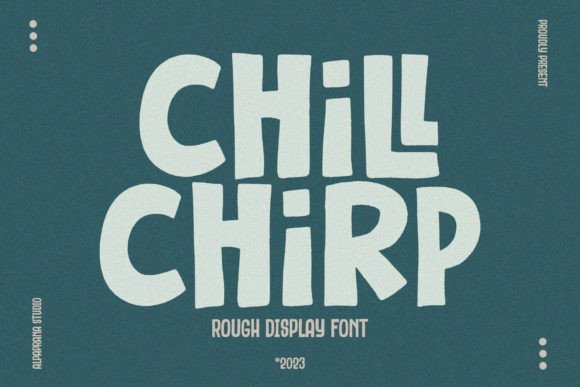
In an era where digital interfaces often strive for sterile perfection, there is a growing counter-movement toward the tactile, the imperfect, and the genuinely human. Designers, marketers, and brand strategists are increasingly seeking tools that bridge the gap between high-resolution screens and the warmth of hand-crafted aesthetics. This is where Chill Chirp enters the conversation. As a rough display font with authentic and retro feels, it offers more than just visual appeal; it provides a narrative texture that polished, geometric sans-serifs simply cannot replicate.
The relevance of Chill Chirp lies in its ability to cut through the noise of modern advertising. Consumers today are savvy. They can spot stock photography and generic templates from a mile away. What they crave is connection, nostalgia, and a sense of artisanal quality. By integrating a typeface that mimics the irregularities of ink on paper or the wear of vintage signage, creators can instantly imbue their projects with personality and depth. Whether you are working on branding, logo design, or editorial layouts, understanding how to leverage this specific aesthetic can significantly enhance the emotional resonance of your work.
The Shift Toward Imperfect Aesthetics
For decades, the dominant trend in corporate and digital design was cleanliness. Think of the flat design movement that swept through user interfaces in the early 2010s. While efficient, this approach often resulted in a homogenized visual landscape. Recently, however, we have seen a pendulum swing back toward complexity and character. This is not merely a nostalgic trip down memory lane; it is a strategic response to market saturation.
Chill Chirp fits seamlessly into this evolving preference. Its rough edges and organic forms suggest history and craftsmanship. When used in branding and logo design, it signals to the audience that the entity behind the mark values authenticity over automation. This is particularly effective for businesses in the lifestyle, food and beverage, and creative sectors, where storytelling is paramount. The font does not shout; it invites. It suggests a relaxed confidence, aligning perfectly with contemporary desires for slower, more meaningful consumption experiences.
Moreover, the retro feel of Chill Chirp taps into a broader cultural fascination with mid-century modernism and vintage Americana. Yet, it avoids feeling dated because its application is firmly rooted in modern contexts. It is not about replicating the past exactly, but rather borrowing its emotional vocabulary to speak to present-day audiences. This duality makes it a versatile tool for designers who need to balance familiarity with freshness.
Practical Applications Across Media
The versatility of Chill Chirp extends far beyond simple headlines. Its robust character set and distinctive style make it suitable for a wide array of design projects. Understanding where and how to deploy this typeface can maximize its impact while maintaining readability and visual harmony.
- Branding and Identity: For startups and small businesses, a unique logotype can be the cornerstone of brand recognition. Chill Chirp’s distinct letterforms ensure that a logo stands out on business cards, websites, and social media profiles.
- Packaging and Product Design: In retail environments, packaging is the silent salesman. Using this font on shopping bags, packaging, and labels can elevate a product from a commodity to a curated item. It works exceptionally well for artisanal goods, craft beers, and organic foods.
- Apparel and Merchandise: The fashion industry, particularly streetwear and casual apparel, thrives on graphic expression. Chill Chirp is ideal for t-shirts, hoodies, and tote bags, offering a look that feels screen-printed and handmade rather than mass-produced.
- Editorial and Publishing: Magazines and book covers benefit from typography that sets the tone before a single word is read. A book cover featuring Chill Chirp can suggest a narrative that is gritty, personal, or historically grounded. Similarly, magazine headers can use the font to create visual hierarchy and interest.
- Event Marketing: From music festivals to local markets, special events require promotional materials that convey energy and vibe. Posters and flyers designed with this font capture attention quickly and communicate a relaxed, inviting atmosphere.
Photographers also find value in Chill Chirp. Overlaying text on images requires a font that complements rather than competes with the visual content. The rough texture of the letters can blend naturally with grainy film photos or high-contrast black-and-white portraits, creating a cohesive artistic statement.
Technical Advantages: The Power of PUA Encoding
While aesthetic appeal is crucial, functionality determines whether a font becomes a staple in a designer’s toolkit or a one-time novelty. One of the most significant technical features of Chill Chirp is its PUA (Private Use Area) encoding. For those unfamiliar with typographic technicalities, this feature is a game-changer for workflow efficiency and creative flexibility.
Standard fonts often limit users to basic alphanumeric characters. However, display fonts like Chill Chirp thrive on variety. Ligatures, alternate glyphs, swashes, and decorative elements are what give a typeface its soul. Without PUA encoding, accessing these special characters can be a tedious process involving complex keyboard shortcuts or character map utilities. With PUA encoding, all these amazing glyphs and ligatures are easily accessible through standard software interfaces.
This means that a designer working on a logotype can quickly cycle through different variations of a letter 'R' or 'S' to find the perfect fit for their composition. It allows for rapid prototyping and experimentation. For lettering artists, this ease of access means they can spend less time fighting with software and more time focusing on composition and balance. It democratizes advanced typographic techniques, making them available to freelancers and hobbyists who may not have extensive technical training.
Furthermore, PUA encoding ensures compatibility across various design platforms. Whether you are using Adobe Illustrator, Photoshop, Canva, or other graphic design tools, the glyphs remain accessible. This cross-platform reliability is essential in modern collaborative workflows where files may move between different team members using different software suites.
Integrating Retro Vibes into Modern Workflows
Adopting a font like Chill Chirp requires a thoughtful approach to design principles. Because it is a display font with strong personality, it should be used strategically. Overuse can lead to visual clutter, while underuse might fail to capitalize on its potential. Here are some recommendations for integrating this typeface into your projects effectively:
- Pair with Simplicity: To let Chill Chirp shine, pair it with clean, neutral sans-serif or serif body fonts. This contrast ensures that the retro feel remains a highlight rather than becoming overwhelming. For example, use Chill Chirp for a poster headline and a simple geometric sans-serif for the event details.
- Mind the Scale: Rough textures and intricate details are best appreciated at larger sizes. Use this font for headings, logos, and short phrases. Avoid using it for long paragraphs of text, as the irregularities can reduce readability at smaller point sizes.
- Experiment with Color: The authentic feel of the font pairs well with muted, earthy tones or bold, vintage-inspired palettes. Consider using off-whites, mustard yellows, deep teals, or burnt oranges to enhance the retro aesthetic.
- Utilize Ligatures: Take full advantage of the PUA-encoded glyphs. Connecting letters can create a custom, hand-lettered look that adds uniqueness to your design. This is particularly effective in logo design where monograms or wordmarks need to feel bespoke.
It is also important to consider the context of your audience. While the retro feel is widely appealing, it must align with the brand’s core values. A tech startup aiming for a futuristic image might find this font incongruous, whereas a coffee roaster, a vinyl record shop, or a boutique hotel would find it perfectly aligned with their brand story.
Conclusion: A Tool for Authentic Connection
In the crowded marketplace of ideas and products, authenticity is a rare and valuable currency. Chill Chirp offers designers and creators a powerful way to inject that authenticity into their work. By combining a rough, retro aesthetic with modern technical convenience through PUA encoding, it bridges the gap between nostalgic charm and contemporary utility.
Whether you are designing a new brand identity, creating eye-catching posters, or adding a personal touch to clothing lines, this font provides the tools needed to stand out. It reminds us that design is not just about clarity and function, but also about emotion and connection. As we continue to navigate a digital-first world, the demand for human-centric design will only grow. Fonts like Chill Chirp are not just trends; they are responses to a deeper desire for meaning and tangible quality in our visual culture. By embracing such tools, creators can produce work that resonates on a human level, fostering loyalty and engagement in an increasingly automated world.