Embracing Retro Cheer: The Design Versatility of Hello Lucky
In the vast landscape of typography, certain typefaces transcend their primary function as mere vessels for text to become emotional anchors within a design. Hello Lucky stands out in this crowded field not through rigid formalism or minimalist austerity, but through an unapologetic celebration of joy. As a fun and retro font, it captures a specific cultural moment where nostalgia meets modern digital clarity. For designers, marketers, and creators looking to inject personality into their work, understanding the nuanced application of such a distinctive typeface is essential. It is not simply about choosing letters; it is about curating an atmosphere.
The Aesthetic Psychology of Retro Typography
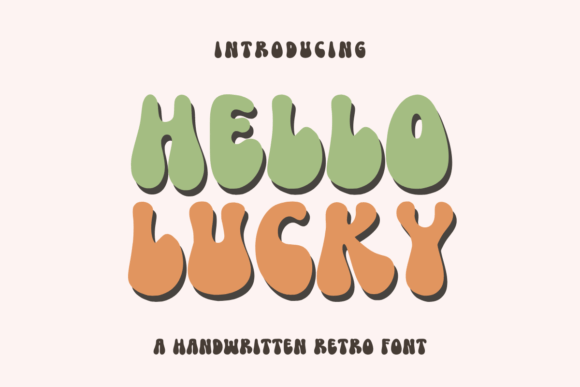
To fully leverage Hello Lucky, one must first understand the psychological impact of retro-inspired design. We live in an era characterized by rapid technological change and often sterile digital interfaces. In response, there is a growing consumer desire for warmth, authenticity, and human touch. This is where the cheerful accent of Hello Lucky becomes a powerful tool. The rounded edges, irregular baselines, and playful proportions evoke memories of mid-century advertising, vintage signage, and hand-painted storefronts. These visual cues trigger a sense of comfort and familiarity.
Unlike serif fonts that convey tradition and authority, or sleek sans-serifs that suggest modernity and efficiency, Hello Lucky communicates approachability. It lowers the barrier between the brand and the audience. When a viewer encounters this typeface, the immediate subconscious reaction is often one of lightheartedness. This makes it particularly effective for industries that rely on emotional connection rather than technical specification. Whether it is a local bakery wanting to appear welcoming or a tech startup aiming to seem user-friendly, the right typographic choice can bridge the gap between corporate identity and human experience.
Strategic Applications in Commercial Design
The versatility of Hello Lucky allows it to permeate various sectors of commercial design. However, its effectiveness relies on strategic placement. It is not a font designed for long-form body text, where readability over extended periods is paramount. Instead, it shines in display contexts where it can command attention without overwhelming the viewer.
Packaging and Merchandise
In the realm of product packaging, shelf appeal is critical. Consumers make split-second decisions based on visual hierarchy and emotional resonance. Hello Lucky excels here because it breaks the monotony of standard retail aesthetics. Imagine a line of artisanal jams or organic snacks. Using this font for the product name creates an instant perception of craft and care. It suggests that the product inside is made with love, not just manufactured in a factory. Similarly, for merchandise such as tote bags, mugs, and stationery, the font acts as a decorative element in itself. It transforms a simple object into a statement piece, appealing to consumers who value aesthetic expression in their daily tools.
Fashion and Apparel
The fashion industry, particularly the streetwear and casual apparel segments, has seen a resurgence of graphic-heavy designs. Hello Lucky is perfect for t-shirts and hoodies where the text is the primary graphic. Its bold, cheerful nature ensures that the message remains legible from a distance while maintaining a stylish, retro vibe. Designers often pair it with simple iconography or vibrant color blocks to create cohesive collections. The key is balance; because the font is so characterful, it often works best when allowed to breathe, surrounded by negative space that lets the letterforms stand out.
Elevating Editorial and Print Media
Beyond physical products, Hello Lucky offers unique opportunities in print media, specifically in areas that require a departure from journalistic seriousness. Book covers are a prime example. For genres such as contemporary romance, cozy mysteries, or humorous non-fiction, the title typography sets the tone before the reader even opens the book. A cover featuring Hello Lucky signals to the potential buyer that the content within is likely uplifting, accessible, and entertaining. It promises an escape from the mundane, aligning perfectly with the leisure reading experience.
Posters and event flyers also benefit significantly from this typeface. Whether promoting a community fair, a music festival, or a workshop, the goal is to generate excitement. The inherent energy in the letterforms of Hello Lucky translates directly into promotional materials. It creates a visual rhythm that draws the eye across the poster, guiding the viewer from the headline to the essential details. When used in conjunction with high-contrast colors, it can create a dynamic composition that feels both nostalgic and fresh.
Brand Identity and Logotypes
Creating a memorable logotype is one of the most challenging tasks in branding. A logo must be scalable, recognizable, and reflective of the company’s core values. Hello Lucky serves as an excellent foundation for logotypes in industries focused on lifestyle, wellness, education, and creative services. Its distinctiveness helps brands stand out in a sea of generic corporate identities. However, customization is often necessary. Designers might tweak the kerning, adjust specific ligatures, or integrate custom icons to ensure the logo is unique and legally protectable.
For small businesses and entrepreneurs, using a pre-existing font like Hello Lucky can be a cost-effective way to achieve a professional look without the expense of a fully custom typeface design. It provides a polished starting point that can be refined to match specific brand guidelines. The cheerful accent it provides can define the brand voice as friendly, optimistic, and customer-centric.
Digital Integration and Web Design
While primarily a display font, Hello Lucky has found its place in the digital world. In web design, it is ideal for headers, call-to-action buttons, and hero sections. It adds personality to landing pages, making them feel less transactional and more engaging. For blogs and online magazines focusing on lifestyle topics, using this font for pull quotes or section headers can break up text and maintain reader interest. It serves as a visual palate cleanser, offering a moment of delight amidst information-heavy content.
However, web designers must consider load times and rendering consistency. Ensuring that the font displays correctly across different devices and browsers is crucial for maintaining the intended aesthetic. When implemented correctly, it enhances the user experience by adding a layer of emotional engagement that standard system fonts cannot provide.
Best Practices for Implementation
To maximize the impact of Hello Lucky, designers should adhere to several best practices. First, consider color psychology. Because the font is retro and cheerful, it pairs well with warm, saturated colors like mustard yellow, coral, teal, and burnt orange. These combinations reinforce the nostalgic feel. Second, pay attention to hierarchy. Use Hello Lucky for emphasis, not for explanation. Let simpler, more neutral fonts handle the detailed information. This contrast ensures that the playful elements remain special and do not become visually exhausting.
Third, context is king. While Hello Lucky is versatile, it may not be suitable for serious legal documents, medical journals, or high-end luxury brands that rely on exclusivity and minimalism. Understanding the boundaries of the font is just as important as knowing its strengths. It thrives in environments that value community, creativity, and happiness.
Finally, experimentation is encouraged. Try rotating the text, overlapping letters, or combining it with hand-drawn illustrations. The flexible nature of Hello Lucky invites creative manipulation. By treating the typeface as a graphic element rather than just text, designers can unlock new levels of visual interest. This approach aligns with current trends in graphic design that favor maximalism and expressive typography.
In conclusion, Hello Lucky is more than just a collection of characters; it is a design resource that embodies optimism and retro charm. From book covers to packaging, from t-shirts to logotypes, its ability to convey cheerfulness makes it an invaluable asset in the designer’s toolkit. By understanding its psychological impact and applying it with strategic intent, creators can produce work that not only communicates clearly but also connects emotionally with their audience. In a world that often feels serious and complex, the simple joy offered by this font is a welcome and necessary accent.