Rosebud: Bringing Timeless Texture and Nostalgic Charm to Modern Design
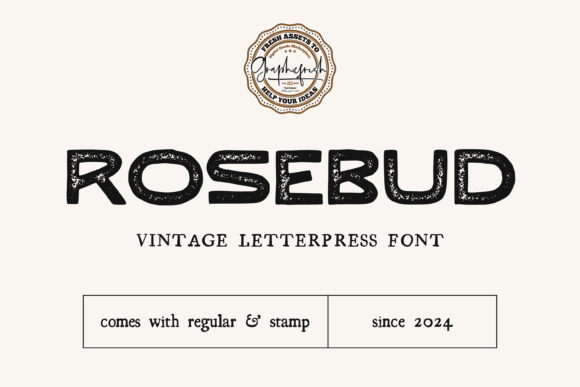
In a digital landscape often dominated by sleek, minimalist sans-serifs and hyper-modern geometric typefaces, there is a growing hunger for warmth. We are seeing a shift back toward designs that feel lived-in, authentic, and human. This is where Rosebud steps in. As a vintage and textured display font, Rosebud evokes nostalgia with its timeless charm, offering designers a tool to bridge the gap between contemporary clarity and historical character. Each character exudes personality and warmth, adorned with subtle textures that capture the essence of yesteryears without sacrificing legibility.
But what does this actually mean for your next project? It means moving beyond flat, sterile aesthetics and embracing a tactile quality that resonates emotionally with viewers. Whether you are branding a local coffee shop, designing a wedding invitation suite, or crafting packaging for an artisanal product, Rosebud infuses your designs with a classic, weathered allure that feels both familiar and fresh.
The Psychology of Textured Typography
Before diving into specific applications, it is helpful to understand why textured fonts like Rosebud work so well. Human beings are tactile creatures. Even on a screen, we respond to visual cues that suggest touch. The subtle imperfections, grain, and wear found in Rosebud mimic the look of letterpress printing, old signage, or hand-stamped materials. This triggers a sense of trust and authenticity.
When a consumer sees a brand using a clean, perfect vector font, they perceive efficiency and modernity. When they see a font like Rosebud, they perceive history, craftsmanship, and care. This distinction is crucial for businesses that want to position themselves as heritage brands or artisanal creators. The font does the heavy lifting of establishing tone before the customer even reads the words.
Ideal Industries and Real-World Applications
Rosebud is not a one-size-fits-all solution, but it is incredibly versatile within specific niches. Its strength lies in its ability to add a touch of retro elegance to projects that benefit from a story. Here are several scenarios where this typeface shines:
- Artisanal Food and Beverage: Imagine a label for small-batch hot sauce, a craft beer can, or a bag of locally roasted coffee beans. Rosebud’s weathered look complements the idea of handmade quality. It suggests that the product inside was crafted with attention to detail, much like the font itself.
- Hospitality and Tourism: Boutique hotels, bed and breakfasts, and vintage-themed cafes often rely on atmosphere. Using Rosebud for signage, menus, or website headers can instantly transport guests to a simpler time. It works particularly well for establishments located in historic buildings or those aiming for a "shabby chic" aesthetic.
- Wedding and Event Stationery: For couples planning a rustic, barn, or vintage-inspired wedding, Rosebud offers a romantic yet grounded option. It pairs beautifully with delicate script fonts for names, providing a sturdy, classic anchor for dates and locations on save-the-dates and invitations.
- Fashion and Lifestyle Brands: Clothing lines that focus on denim, leather goods, or sustainable fabrics can use Rosebud to reinforce their commitment to durability and tradition. It looks exceptional on hang tags, lookbooks, and social media graphics that highlight the texture of the materials.
Pairing Rosebud for Maximum Impact
One of the most common questions designers face is how to integrate a distinctive display font like Rosebud without overwhelming the design. The key is contrast. Because Rosebud is rich in texture and character, it should be paired with cleaner, more neutral typefaces for body text and secondary information.
A highly effective combination is pairing Rosebud with a simple, humanist sans-serif. The cleanliness of the sans-serif allows the eye to rest after encountering the detailed shapes of Rosebud. Alternatively, for a more editorial or literary feel, try pairing it with a classic serif font. This creates a dialogue between the old-world charm of Rosebud and the traditional authority of the serif, resulting in a sophisticated, magazine-quality layout.
Avoid pairing Rosebud with other heavily textured or decorative fonts. Doing so creates visual noise and makes the design difficult to read. Let Rosebud be the star of the show, used primarily for headlines, logos, and short phrases.
Technical Considerations and Best Practices
While Rosebud is designed to be user-friendly, there are practical considerations to keep in mind to ensure your designs remain professional and accessible.
Legibility at Small Sizes
As a display font, Rosebud is optimized for larger sizes. The textures that give it character can become muddy or indistinct when scaled down too far. It is best reserved for headings, titles, and logos. If you need to use it for smaller text, ensure there is high contrast between the font color and the background. Avoid placing it over busy images unless you use a solid overlay or drop shadow to separate the text from the background noise.
Color Palette Selection
The vintage nature of Rosebud pairs naturally with muted, earthy tones. Think sage greens, mustard yellows, burnt oranges, deep navies, and creamy off-whites. These colors enhance the nostalgic feel. However, do not be afraid to experiment with modern, bold colors if you want to create a juxtaposition. A bright coral or electric blue can make the vintage texture pop in a contemporary way, appealing to a younger demographic while retaining the font’s inherent charm.
Digital vs. Print
Rosebud translates beautifully to print, where the texture can mimic actual ink spread on paper. In digital formats, ensure that the file resolution is high enough to preserve the subtle details of the texture. On low-resolution screens, fine textures can sometimes disappear or appear as pixelation. Always test your designs on multiple devices to ensure the character of the font remains intact.
Who Benefits Most from Using Rosebud?
Different users will find unique value in this typeface. For graphic designers, Rosebud is a reliable asset for clients seeking a vintage aesthetic without resorting to clichéd or overused fonts. It offers a fresh take on retro styling that feels current rather than dated.
For small business owners who handle their own marketing, Rosebud provides an instant brand elevation. It adds a layer of professionalism and thoughtfulness to DIY designs, helping small enterprises compete visually with larger brands. For content creators and bloggers, using Rosebud in featured images or quote graphics can increase engagement by adding visual interest and emotional resonance to social media posts.
Embracing Imperfection
Ultimately, the power of Rosebud lies in its embrace of imperfection. In a world that often strives for flawless digital precision, there is something deeply comforting about design that acknowledges the passage of time. It reminds us of handwritten letters, old books, and faded photographs. By choosing Rosebud, you are not just selecting a font; you are choosing a mood, a memory, and a connection to the past.
Whether you are redesigning a logo, creating a new product line, or simply looking to add some warmth to your personal projects, Rosebud offers a versatile and evocative solution. It invites viewers to slow down, look closer, and appreciate the details. In doing so, it transforms ordinary text into an experience, proving that in design, character is everything.