Second Bunnies: A Practical Guide to Using This Playful Display Font
Choosing the right typeface is one of the most critical decisions in graphic design, as it sets the tone for the entire visual narrative. Among the myriad of options available, Second Bunnies has emerged as a notable choice for designers seeking a specific aesthetic. It is a delightful display font that exudes charm and warmth, characterized by its playful curves and friendly demeanor. For professionals working on children’s books, posters, and greeting cards, understanding the nuances of this typeface can help determine if it aligns with their project goals.
Understanding the Aesthetic of Second Bunnies
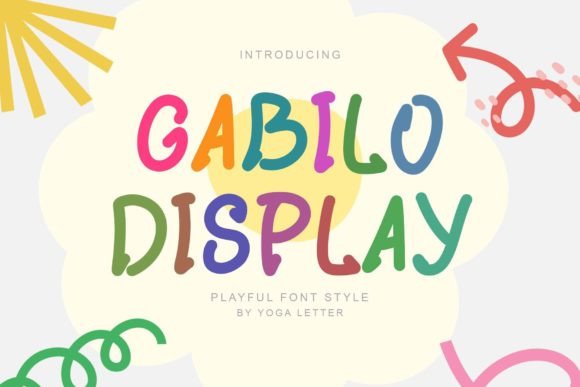
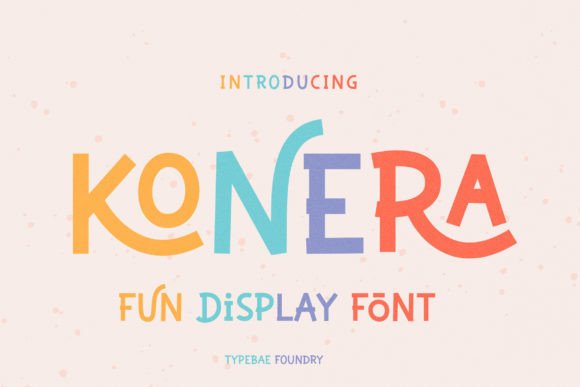
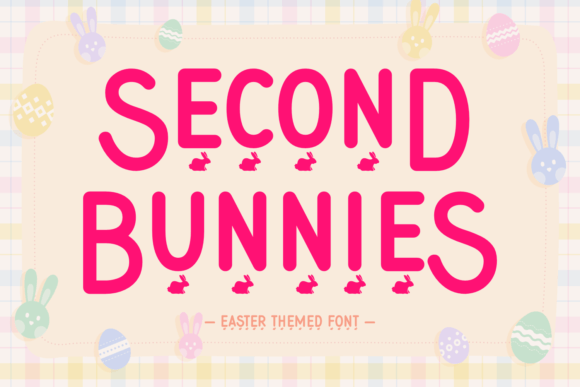
Second Bunnies is not designed for body text or long-form reading. Instead, it falls squarely into the category of display typography. Its primary function is to capture attention and evoke an emotional response. The font features whimsical appeal and an inviting character, which adds a touch of joy to any design project. The letterforms are typically rounded, with irregular baselines and varying stroke weights that mimic hand-lettering without sacrificing digital consistency.
When evaluating this font, it is essential to recognize its inherent personality. It does not strive for neutrality or corporate professionalism. Rather, it leans into informality and approachability. This makes it a powerful tool for brands and creators who wish to appear accessible, gentle, and fun. However, this distinct personality also imposes limitations on where and how the font can be effectively used.
Ideal Use Cases for Second Bunnies
The versatility of Second Bunnies is best realized in projects that target younger audiences or aim to create a sense of nostalgia and comfort. Here are several scenarios where this typeface serves as a strong fit:
- Children’s Literature: The playful curves of the font mirror the imaginative worlds found in storybooks. It works exceptionally well for titles and chapter headers, helping to engage young readers before they even begin the text.
- Greeting Cards and Stationery: For occasions such as birthdays, baby showers, or holidays, the warm demeanor of the font conveys sincerity and happiness. It pairs well with illustrative elements like balloons, animals, or floral patterns.
- Educational Materials: Worksheets, classroom posters, and learning apps benefit from typography that feels non-threatening and encouraging. Second Bunnies can make educational content feel less rigid and more inviting.
- Packaging for Artisanal Goods: Products such as homemade jams, organic snacks, or handmade soaps often use this style of typography to suggest craftsmanship and care.
In these contexts, the font acts as a visual shorthand for friendliness. It signals to the viewer that the content is safe, enjoyable, and created with a human touch.
Tradeoffs and Design Considerations
While Second Bunnies offers significant aesthetic benefits, designers must weigh these against practical considerations. No typeface is universally applicable, and understanding the tradeoffs is crucial for professional results.
Legibility Constraints
One of the primary tradeoffs with highly stylized display fonts is legibility. The whimsical nature of Second Bunnies means that certain characters may have unconventional shapes or connections. While this adds charm, it can reduce readability at smaller sizes or in low-contrast environments. Therefore, it is generally advisable to reserve this font for headlines, short phrases, or decorative elements rather than paragraphs of text. If used for body copy, it may cause eye strain and frustrate readers.
Contextual Appropriateness
The friendly demeanor of the font can be a disadvantage in serious or formal contexts. Using Second Bunnies for legal documents, financial reports, or high-end luxury branding may create a dissonance between the message and the medium. In such cases, the font’s playful curves might undermine the authority or sophistication the brand wishes to project. Designers must ensure that the tone of the typography matches the intent of the communication.
Pairing Challenges
Integrating Second Bunnies into a broader design system requires careful selection of complementary typefaces. Because it is so distinctive, it can easily clash with other decorative fonts. A balanced approach often involves pairing it with a clean, neutral sans-serif or a classic serif font. This contrast allows Second Bunnies to shine as the focal point while ensuring that supporting information remains clear and organized.
Comparing Second Bunnies to Alternatives
When selecting a font, it is helpful to consider alternatives to ensure the best fit. There are many playful display fonts on the market, each with subtle differences in mood and structure.
If the goal is maximum readability alongside playfulness, designers might consider rounded sans-serif fonts. These offer a similar friendly vibe but with more geometric precision, making them slightly more versatile for digital interfaces. On the other hand, if the project requires a more rustic or hand-drawn feel, rough-edged brush scripts might be a better alternative than the smooth curves of Second Bunnies.
Another consideration is licensing and availability. Some free alternatives may lack the full character set or kerning pairs that a premium font like Second Bunnies offers. For professional commercial work, investing in a well-crafted font ensures consistent performance across different platforms and print mediums.
Practical Decision-Making Insights
To determine whether Second Bunnies is the right choice for your next project, consider the following questions:
- Who is the audience? If the primary viewers are children, families, or individuals seeking comfort, this font is likely a strong candidate. If the audience expects formality or technical precision, look elsewhere.
- What is the hierarchy? Plan to use this font sparingly. It should accentuate key messages rather than carry the entire informational load. Ensure you have a secondary, highly legible font for detailed content.
- What is the medium? Print materials like posters and cards often showcase display fonts better than small mobile screens. Test the font at various sizes to ensure the details remain clear and do not become muddy.
- Does it align with brand values? Evaluate whether the warmth and whimsy of Second Bunnies reflect the core identity of the brand or project. Consistency in tone builds trust and recognition.
Ultimately, Second Bunnies is a specialized tool in the designer’s toolkit. It excels in creating an atmosphere of joy and approachability. By understanding its strengths and limitations, designers can leverage its charm effectively while avoiding common pitfalls related to legibility and context. When used thoughtfully, it transforms simple text into an engaging visual experience that resonates with viewers on an emotional level.
For those exploring typography options, it is always recommended to test the font in situ. Create mockups of your specific project using Second Bunnies alongside potential pairings. This practical evaluation will provide clearer insights than theoretical analysis alone, ensuring that the final design achieves both aesthetic appeal and functional clarity.