Whoiz: Redefining Visual Communication Through Avant-Garde Typography
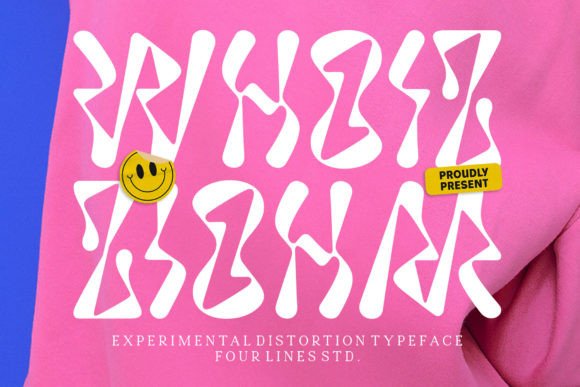
In the saturated landscape of modern digital design, capturing attention is no longer just about having a message; it is about how that message is visually delivered. Enter Whoiz, an avant-garde font designed to captivate and engage audiences through intentional distortion and experimental form. As designers and marketers seek new ways to break through the noise, typefaces like Whoiz offer a unique solution: transforming text from a mere vessel of information into a compelling visual experience.
This article explores the essence of Whoiz, examining its design philosophy, practical applications, and why distorted typography is becoming a cornerstone of contemporary visual culture. Whether you are a seasoned graphic designer or a business owner looking to refresh your brand identity, understanding the power of experimental type can significantly enhance your creative output.
The Philosophy Behind Distorted Typography
Traditional typography prioritizes legibility above all else. The goal is usually invisibility—allowing the reader to absorb content without noticing the font itself. However, Whoiz challenges this convention by embracing distortion as a feature, not a bug. This experimental typeface is built on the premise that visual intrigue can keep readers engaged for longer periods. By warping, stretching, and manipulating letterforms, Whoiz creates a dynamic tension that draws the eye and invites closer inspection.
The significance of this approach lies in its ability to evoke emotion. Standard fonts often feel neutral or corporate. In contrast, the irregularities in Whoiz suggest movement, energy, and unpredictability. This makes it particularly effective for projects that aim to convey creativity, rebellion, or modernity. It is not just about reading words; it is about feeling the rhythm and texture of the language.
Why Legibility Isn't Always the Priority
A common misunderstanding about experimental fonts is that they are "broken" or unusable. However, in contexts like advertising media, posters, and social media graphics, immediate legibility is sometimes secondary to impact. Whoiz strikes a balance where the text remains decipherable but requires a moment of cognitive engagement. This brief pause allows the viewer to process the visual style, creating a stronger memory imprint than standard text might achieve.
Practical Applications for Whoiz
One of the strongest assets of Whoiz is its versatility across diverse creative projects. While it may not be suitable for long-form body text in a novel, it excels in environments where brevity and boldness are key. Below are several areas where this distinctive typeface can add significant value.
- Poster Design: Posters rely on instant visual hook. Whoiz can turn a simple event title into a piece of art, ensuring the poster stands out on a crowded wall or digital feed.
- Social Media Quotes: In the age of Instagram and Pinterest, quote graphics are highly shareable. Using Whoiz adds a trendy, artistic flair that encourages users to save and repost content.
- Stickers and Merchandise: Streetwear and sticker culture thrive on unique aesthetics. The distorted nature of Whoiz fits perfectly with urban, skate, and youth-oriented brands.
- Advertising Media: For headlines in digital ads or print campaigns, Whoiz captures attention quickly, increasing click-through rates by differentiating the ad from competitors using standard sans-serif fonts.
By integrating Whoiz into these mediums, designers can ensure their work does not blend into the background. The font acts as a visual anchor, guiding the viewer’s focus exactly where it needs to go.
Integrating Experimental Fonts into Modern Branding
In today’s business environment, brand differentiation is critical. Companies are moving away from safe, generic branding toward identities that reflect personality and values. Whoiz offers a distinctive touch that helps brands stand out effortlessly. But how does one integrate such a bold typeface without overwhelming the audience?
The key is strategic restraint. Use Whoiz for headlines, logos, or call-to-action buttons, while pairing it with a clean, neutral font for supporting text. This hierarchy ensures that the experimental elements enhance readability rather than hinder it. For example, a tech startup might use Whoiz for its main campaign slogan to convey innovation, while using a simple geometric sans-serif for product descriptions.
Enhancing User Engagement
Engagement is a metric that matters deeply in digital marketing. Studies suggest that unique visual stimuli can increase dwell time on web pages and social posts. When users encounter something unfamiliar yet aesthetically pleasing, they are more likely to stop scrolling. Whoiz leverages this psychological trigger. Its unusual forms create a "pattern interrupt," breaking the monotony of standard web layouts and encouraging interaction.
- Capture Attention: The distorted shapes immediately draw the eye.
- Spark Curiosity: Viewers spend extra seconds decoding the stylized letters.
- Create Memorability: The unique visual experience makes the brand or message more memorable.
Common Misconceptions About Avant-Garde Typefaces
Despite their growing popularity, experimental fonts like Whoiz are often subject to skepticism. Let us clarify some common assumptions to help readers make informed design choices.
Misconception 1: They are only for niche audiences.
While avant-garde fonts have roots in underground art scenes, they have gone mainstream. Major fashion brands, music festivals, and tech companies now use distorted typography to appeal to broad, modern audiences who value authenticity and creativity.
Misconception 2: They lack professionalism.
Professionalism is no longer synonymous with rigidity. In creative industries, showing artistic flair is often seen as a sign of competence and confidence. Using Whoiz appropriately demonstrates that a brand is current and culturally aware.
Misconception 3: They are difficult to use.
Modern font files are optimized for ease of use. Whoiz is designed to be plug-and-play, working seamlessly with major design software. The challenge lies not in installation, but in compositional balance—a skill that improves with practice.
The Role of Technology in Typographic Evolution
The rise of fonts like Whoiz is closely tied to advancements in digital design technology. High-resolution screens allow for intricate details in distorted letterforms to remain crisp, while design tools enable precise manipulation of spacing and alignment. Furthermore, the dominance of mobile devices means that typography must be impactful even at small sizes. Whoiz’s bold structures ensure it remains visible and engaging on smartphone screens, where space is limited and competition for attention is fierce.
Additionally, the trend toward maximalism in web design supports the use of expressive typography. As websites move away from sterile minimalism, they embrace color, texture, and unconventional layouts. Whoiz fits naturally into this ecosystem, complementing vibrant backgrounds and interactive elements.
Tips for Getting Started with Whoiz
If you are ready to incorporate Whoiz into your next project, consider these practical tips to maximize its effectiveness:
- Start Small: Begin by using Whoiz for single words or short phrases. This allows you to gauge its impact without overwhelming the design.
- Experiment with Color: Distorted fonts often look striking in high-contrast color combinations. Try neon accents against dark backgrounds to enhance the futuristic vibe.
- Pair Wisely: Choose a secondary font that contrasts with Whoiz. A simple, light-weight sans-serif works well to balance the heaviness of the experimental type.
- Context Matters: Ensure the tone of Whoiz aligns with your message. It is ideal for energetic, creative, or edgy topics but may clash with serious, traditional subjects.
Conclusion
Whoiz represents more than just a new font; it signifies a shift in how we communicate visually. By embracing distortion and experimental design, it offers a powerful tool for creators who wish to captivate and engage their audiences. From posters and stickers to digital advertising and social media, Whoiz adds a distinctive touch that makes designs stand out effortlessly.
As we continue to navigate a world saturated with information, the ability to pause, intrigue, and delight viewers becomes increasingly valuable. Whether you are a designer seeking fresh inspiration or a brand looking to redefine its voice, exploring the potential of avant-garde typography like Whoiz can open new doors for creative expression. Embrace the distortion, challenge the norms, and let your text speak volumes through its form.
For those interested in exploring more about experimental typography and its impact on modern design, consider visiting design resources that specialize in innovative typefaces. Understanding the nuances of fonts like Whoiz can elevate your work from ordinary to extraordinary, ensuring your message is not just read, but experienced.