Boing Groovy: A Playful Retro Display Font
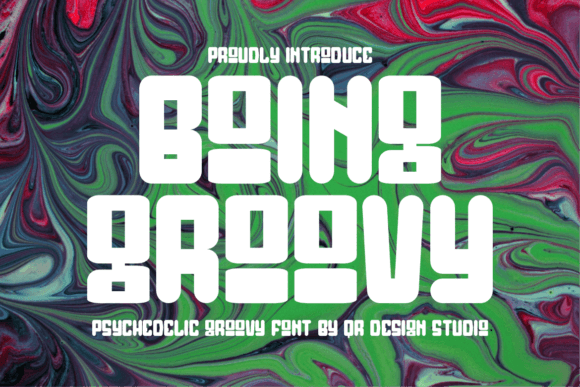
Design trends move in cycles, and right now, the nostalgic pull of the 1970s is stronger than ever. In this landscape, Boing Groovy emerges as a vibrant and playful display typeface that exudes retro charm and energy. Its dynamic letterforms and lively strokes capture attention effortlessly. Ideal for posters, headlines, and branding projects, this font adds a touch of fun and whimsy to any design with its quirky style and personality. But beyond its aesthetic appeal, understanding how to leverage this specific typographic tool can significantly impact the effectiveness of your visual communication.
Understanding the Visual Language of Boing Groovy
At its core, Boing Groovy is not just a collection of letters; it is a mood setter. The typeface features exaggerated curves, uneven baselines, and thick, rounded terminals that mimic the hand-drawn signage of the disco era. This distinct character makes it immediately recognizable. Unlike neutral sans-serifs that recede into the background to let content shine, Boing Groovy demands to be seen. It carries an inherent sense of movement and rhythm, which is why it resonates so well with audiences looking for warmth, approachability, and a break from corporate sterility.
For designers and creators, the value lies in its ability to convey emotion without additional imagery. When you place Boing Groovy on a canvas, you are instantly signaling that the message is lighthearted, creative, or celebratory. This reduces the cognitive load on the viewer, allowing them to grasp the tone of the project before they even read the words.
Perspectives for Beginners and Hobbyists
If you are new to graphic design or exploring typography as a hobby, Boing Groovy offers a forgiving entry point into display fonts. Beginners often struggle with pairing fonts, fearing that mixing styles will look chaotic. However, because Boing Groovy is so distinct, it pairs surprisingly well with simple, clean sans-serif body text. This contrast creates a balanced hierarchy that is easy to manage.
- Start small: Use the font for single-word accents or short phrases rather than long paragraphs. Its intricate shapes can become hard to read at smaller sizes.
- Experiment with color: The retro nature of the font invites bold, saturated colors. Try mustard yellows, avocado greens, or burnt oranges to enhance the vintage vibe.
- Keep it legible: Avoid placing the text over busy backgrounds. The quirky strokes need white space to breathe and maintain their impact.
For hobbyists creating invitations, party flyers, or personal blogs, the font’s ease of use means you can achieve a professional-looking result without advanced design skills. The personality of the typeface does much of the heavy lifting, allowing you to focus on layout and composition.
Strategic Use for Professionals and Marketers
For marketing professionals and brand strategists, the decision to use Boing Groovy is less about aesthetics and more about audience alignment. In a market saturated with minimalist, tech-focused branding, a retro-inspired font can serve as a powerful differentiator. It signals authenticity and human connection, which are increasingly valued by consumers.
Consider a local coffee shop launching a new summer menu. Using a rigid, modern font might feel cold and disconnected from the community vibe they want to foster. In contrast, Boing Groovy suggests warmth, nostalgia, and a relaxed atmosphere. It tells the customer, "Come in, stay awhile, and enjoy yourself." For marketers, this emotional resonance can drive higher engagement rates on social media posts and printed materials.
However, professionals must also consider versatility. While Boing Groovy excels in headlines and logos, it is not suitable for body copy or legal disclaimers. A successful campaign will use it strategically for key messaging while relying on more readable typefaces for detailed information. This balance ensures that the brand remains accessible while still standing out visually.
Creative Applications for Entrepreneurs and Small Business Owners
Small business owners often wear many hats, including that of the primary designer. For entrepreneurs, time and budget are critical constraints. Boing Groovy can be a valuable asset because it reduces the need for custom illustration. The font itself acts as a graphic element. A t-shirt brand, for example, can create best-selling merchandise by simply printing a witty phrase in Boing Groovy, eliminating the cost of hiring an illustrator for complex artwork.
Furthermore, the font’s energetic style aligns well with industries focused on creativity, wellness, food, and entertainment. A yoga studio might use it for workshop titles to convey joy and movement, while a bakery could use it for seasonal specials to evoke a sense of homemade comfort. The key for business owners is consistency. Once you establish Boing Groovy as part of your visual identity, use it consistently across all touchpoints, from your website header to your packaging labels, to build brand recognition.
Educational and Editorial Contexts
Educators and publishers may find unique applications for Boing Groovy in materials aimed at younger audiences or creative subjects. In educational settings, engaging students often requires breaking the monotony of standard textbooks. Using a playful font like Boing Groovy for chapter headings or activity instructions can make learning materials feel more inviting and less intimidating.
Similarly, editors working on lifestyle magazines, zines, or creative journals can use the font to add personality to feature articles. It works particularly well for quotes, pull-quotes, or section dividers. The visual break provided by the font helps guide the reader’s eye through the content, improving the overall reading experience. However, educators and publishers must ensure that the font does not compromise accessibility. It should never be used for essential instructional text where clarity is paramount.
Evaluating Fit for Your Project
Before committing to Boing Groovy, ask yourself a few practical questions to determine if it aligns with your goals:
- What is the primary emotion I want to evoke? If the answer is seriousness, urgency, or luxury, this font may not be the right choice. If the goal is fun, nostalgia, or creativity, it is an excellent fit.
- Who is my audience? Older demographics may appreciate the retro nod, while younger audiences might see it as trendy and ironic. Ensure the cultural reference lands correctly with your target group.
- Where will it be displayed? Boing Groovy shines in large formats like banners, posters, and digital headers. It loses its charm and readability when scaled down for footnotes or dense text blocks.
By considering these factors, you can move beyond subjective preference and make a strategic design decision. Whether you are a freelancer looking to add a unique tool to your kit, a marketer aiming to refresh a campaign, or a hobbyist creating a gift, Boing Groovy offers a distinct blend of style and substance. Its ability to inject energy and personality into static designs makes it a versatile choice for anyone looking to stand out in a crowded visual landscape. Embrace its quirks, respect its limitations, and let its retro charm elevate your next creative project.