Dream Sparks: Evaluating the Role of Bubble Fonts in Modern Graphic Design
In the vast landscape of typography, selecting the right typeface is often less about finding the most popular option and more about identifying the font that aligns with the emotional tone of a project. Dream Sparks has emerged as a notable contender in this space, particularly for designers seeking to inject personality and warmth into their visual communications. Defined by its bubble-style aesthetics, this typeface offers a lively appearance that distinguishes it from rigid, geometric sans-serifs or traditional serifs. Understanding where Dream Sparks fits within the broader ecosystem of design tools requires a look at its specific characteristics, ideal use cases, and how it compares to other stylistic approaches.
The Aesthetic Profile of Dream Sparks
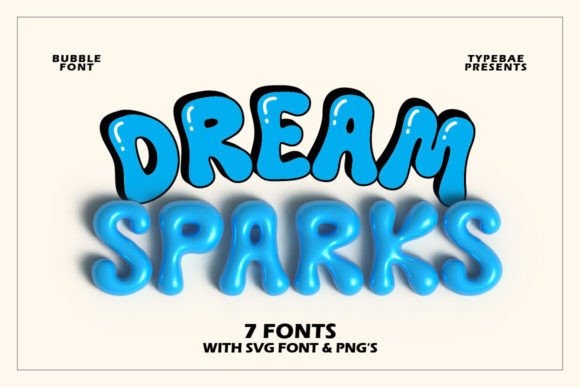
At its core, Dream Sparks is a bubble font characterized by rounded edges, uniform stroke widths, and an inherent sense of playfulness. Unlike condensed fonts that prioritize space efficiency or high-contrast scripts that emphasize elegance, bubble fonts like Dream Sparks prioritize approachability. The letters appear inflated and soft, creating a visual texture that feels tactile and inviting. This distinct look is not merely decorative; it serves a functional purpose in guiding the viewer’s emotional response. When a reader encounters this style, the immediate association is often one of cheerfulness, safety, and informality.
The design philosophy behind such a typeface leans heavily on nostalgia and retro influences, reminiscent of 1970s advertising and pop culture graphics. However, modern iterations have refined these shapes to ensure better legibility on digital screens. For designers, this means that while the font retains its whimsical charm, it does not sacrifice clarity to the point of being unreadable. This balance is crucial when evaluating whether a novelty font can serve professional purposes beyond casual personal projects.
Strategic Applications and Best-Fit Scenarios
Choosing a typeface involves matching the font’s personality with the message’s intent. Dream Sparks excels in contexts where the primary goal is to stand out and evoke positive emotions. It is particularly effective for covers, posters, and spring designs, where the visual language needs to be bright and energetic. For instance, a marketing campaign for a seasonal sale, a children’s event, or a lifestyle brand focusing on wellness and joy can benefit significantly from the uplifting vibe this font provides.
- Marketing Materials: In social media graphics or email headers, the bold nature of bubble fonts captures attention quickly in crowded feeds.
- Packaging Design: For products targeting younger demographics or those positioned as fun and accessible, such as snacks, toys, or casual beverages, this style reinforces brand identity.
- Event Branding: Posters for festivals, workshops, or community gatherings often require a friendly tone that formal typography cannot convey.
However, the effectiveness of Dream Sparks is contingent on hierarchy. It is rarely suitable for body text or long-form content. The rounded shapes, while charming, can cause visual fatigue if used extensively. Therefore, it is best employed as a display font for headlines, logos, or short call-to-action phrases, paired with a neutral, highly legible sans-serif for supporting information.
Comparative Analysis: Bubble Fonts vs. Other Styles
To make an informed decision, it is helpful to compare Dream Sparks with other typographic categories. When weighed against minimalist sans-serifs, the difference is stark. Minimalist fonts offer versatility and neutrality, making them safe choices for corporate reports or tech interfaces. In contrast, Dream Sparks is opinionated. It makes a statement. If a project requires a serious, authoritative, or ultra-modern feel, a bubble font may undermine the intended message. Conversely, if the goal is to humanize a brand or break through corporate stiffness, Dream Sparks offers a strategic advantage.
Another common alternative is handwritten or script fonts. While both styles aim for a personal touch, they achieve it differently. Script fonts often convey elegance, luxury, or artisanal quality. Bubble fonts, including Dream Sparks, convey energy, youth, and accessibility. A bakery might choose a script font to suggest traditional craftsmanship, whereas a candy shop might choose Dream Sparks to suggest fun and sweetness. Understanding this nuance helps designers avoid mismatched tonal signals.
Furthermore, when comparing Dream Sparks to other novelty or display fonts, its strength lies in its readability. Many decorative fonts distort letterforms to the point of confusion. Dream Sparks maintains recognizable character structures despite its stylized inflation. This makes it a more practical choice for commercial applications where quick comprehension is necessary, such as signage or digital ads.
Limitations and Tradeoffs
No typeface is universally applicable, and recognizing the limitations of Dream Sparks is as important as appreciating its strengths. The primary tradeoff is versatility. Because the font is so strongly associated with cheerfulness and informality, it can be difficult to adapt for serious or somber topics. Using it for financial services, legal documents, or healthcare warnings would likely create cognitive dissonance for the audience, potentially reducing trust in the message.
Additionally, there are technical considerations regarding spacing and scaling. Bubble fonts often require careful kerning adjustments because the rounded edges can create uneven white space between letters. Designers must pay attention to these details to ensure the text looks polished rather than amateurish. On small screens, intricate details may get lost, so testing the font at various sizes is essential before finalizing any design.
Another factor is trend sensitivity. While retro aesthetics have enjoyed a resurgence, novelty fonts can sometimes feel dated if not used thoughtfully. Designers should consider whether the playful nature of Dream Sparks aligns with the long-term branding strategy or if it is merely a temporary tactical choice for a specific campaign.
Decision Factors for Designers and Marketers
When evaluating whether to incorporate Dream Sparks into a project, consider the following decision framework:
- Audience Demographics: Is the target audience receptive to playful, informal communication? Younger audiences and families often respond well to this style, whereas older or more conservative demographics may prefer traditional typography.
- Brand Voice: Does the brand identity include traits like "fun," "friendly," or "creative"? If the brand voice is "authoritative" or "exclusive," this font may clash with established guidelines.
- Medium and Context: Will the text be viewed briefly, such as on a poster or thumbnail? Display fonts work best in low-commitment viewing scenarios. For deep reading, stick to standard body fonts.
- Visual Hierarchy: Can you pair this font with a complementary neutral typeface? A successful design using Dream Sparks usually relies on strong contrast between the headline and the body text.
It is also worth noting that licensing and usage rights vary across font providers. Before committing to Dream Sparks for a commercial product, ensure that the license covers the intended use, whether it be print, web, or merchandise. This due diligence prevents legal complications later in the production process.
Integrating Dream Sparks into a Cohesive Design System
Successful implementation of a distinctive font like Dream Sparks requires a supportive design environment. Color palettes play a significant role in enhancing its lively appearance. Pastel shades, bright primaries, or warm earth tones often complement the rounded forms, reinforcing the cheerful mood. Conversely, pairing it with stark black and white can create a modern, pop-art aesthetic that feels bold and contemporary.
Whitespace is another critical element. Because bubble fonts are visually heavy, they need room to breathe. Crowding Dream Sparks with other graphical elements can diminish its impact and make the design feel cluttered. By allowing ample negative space around the text, designers can highlight the font’s unique shape and ensure it remains the focal point of the composition.
Ultimately, Dream Sparks is a tool that, when used with intention, can elevate a design from ordinary to memorable. It is not a substitute for thoughtful layout or clear messaging, but rather an amplifier of tone. For professionals navigating the choice between safety and expression, this font offers a viable path toward creating engaging, human-centric visuals. By understanding its specific strengths and respecting its limitations, designers can leverage Dream Sparks to create work that resonates emotionally with their audience while maintaining professional standards.