Kemalhes: Evaluating a Modern Display Font for Contemporary Design
In the vast landscape of typography, selecting the right typeface is often the most critical decision in establishing a visual identity. Kemalhes emerges as a compelling option for designers seeking a display font that balances modernity with an edgy aesthetic. As a unique display font, it radiates a sense of contemporary sophistication while maintaining a distinct character through its blend of sharp angles and sleek curves. This article explores the characteristics of Kemalhes, evaluates its practical applications, and helps designers determine whether it aligns with their specific project goals.
Understanding the Aesthetic of Kemalhes
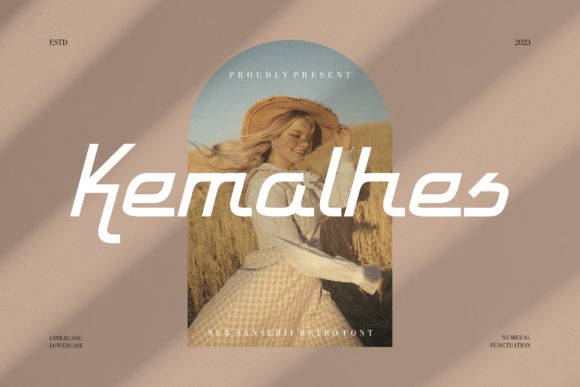
At its core, Kemalhes is defined by its avant-garde approach to letterform construction. Unlike traditional serif or sans-serif fonts that prioritize neutrality or historical reference, Kemalhes leans into a bold, architectural style. The font’s distinctive letterforms are characterized by a deliberate interplay between geometric precision and fluid motion. Sharp angles provide structure and intensity, while sleek curves soften the overall impact, preventing the design from feeling too rigid or industrial.
This duality creates an avant-garde aesthetic that feels both futuristic and grounded. For designers, this means the font carries inherent personality. It does not merely serve as a vessel for text; it acts as a graphical element that contributes significantly to the mood and tone of the composition. When evaluating Kemalhes, it is essential to recognize that its strength lies in its ability to command attention without relying on excessive ornamentation.
Ideal Use Cases and Strategic Applications
Identifying the right context for a display font is crucial for effective design. Kemalhes is particularly well-suited for projects that require a bold and contemporary vibe. Its impactful flair makes it an excellent choice for headlines, logos, and short-form copy where immediate visual engagement is necessary.
- Brand Identity and Logos: For startups, tech companies, or fashion brands looking to project innovation and edge, Kemalhes can serve as a strong foundational element. Its unique shapes help create memorable logotypes that stand out in crowded markets.
- Poster and Print Design: In editorial layouts or event posters, the font’s high contrast and structural clarity ensure readability at large sizes while adding artistic value.
- Digital Headers: On websites and landing pages, using Kemalhes for hero sections can establish a modern tone immediately. However, it should be used sparingly to maintain load times and visual hierarchy.
- Packaging Design: Products aiming for a premium, modern shelf presence can benefit from the font’s sleek curves, which convey quality and attention to detail.
The key to leveraging Kemalhes effectively is understanding its role as a display font. It is designed to be seen, not just read. Therefore, its primary function is to attract interest and set a stylistic direction rather than to facilitate long-form reading.
Benefits and Design Advantages
One of the primary benefits of incorporating Kemalhes into a design toolkit is its versatility within the modernist spectrum. While many modern fonts strive for minimalism to the point of sterility, Kemalhes retains a human touch through its curved elements. This balance allows it to feel cutting-edge without appearing cold or impersonal.
Furthermore, the font’s distinctiveness aids in brand differentiation. In an era where many businesses rely on similar geometric sans-serifs, choosing a typeface with unique angular details can help a brand carve out a specific niche. The impactful flair of Kemalhes ensures that designs do not blend into the background, making it a valuable asset for campaigns that need to break through visual noise.
From a technical perspective, display fonts like Kemalhes often come with optimized kerning and spacing for larger sizes. This means that when used correctly, the letters interact harmoniously, reducing the need for extensive manual adjustment by the designer. This efficiency can streamline the creative process, allowing for faster iteration during the conceptual phase.
Tradeoffs and Limitations to Consider
While Kemalhes offers significant aesthetic advantages, it is not without limitations. Understanding these tradeoffs is vital for making an informed decision. The most notable constraint is its legibility at smaller sizes. Due to its sharp angles and distinctive forms, the font may become difficult to read when scaled down for body text, captions, or mobile interfaces with limited screen real estate.
Additionally, the strong personality of Kemalhes can sometimes overpower other design elements. If paired with equally complex graphics or busy backgrounds, the text may lose its clarity. Designers must ensure sufficient negative space and contrast to let the letterforms breathe. Overuse of the font can also lead to visual fatigue for the viewer. It is best employed as an accent rather than a workhorse.
Another consideration is accessibility. High-contrast, angular fonts can sometimes pose challenges for readers with visual impairments or dyslexia. When using Kemalhes, it is important to test readability across different devices and user groups to ensure inclusive design practices are maintained.
When to Consider Alternatives
There are scenarios where Kemalhes may not be the optimal choice. If a project requires a neutral, unobtrusive typeface for long-form content, such as blogs, reports, or instructional manuals, a more traditional sans-serif or serif font would be more appropriate. Similarly, for brands aiming for a classic, heritage, or rustic feel, the modern edge of Kemalhes might clash with the desired emotional resonance.
Designers working on projects with strict budget constraints or tight deadlines might also find that simpler, system-standard fonts offer a safer, more predictable outcome. While Kemalhes adds distinct value, it requires thoughtful pairing and layout considerations to achieve the best results. If the design team lacks the resources to experiment with typography hierarchies, a more versatile multi-weight font family might be a more practical selection.
Making the Final Decision
Choosing Kemalhes ultimately depends on the specific objectives of the design project. Ask yourself: Does the brand need to communicate innovation and boldness? Is the text primarily intended for headlines or short bursts of information? If the answer is yes, Kemalhes is likely a strong fit. Its ability to blend sharp angles with sleek curves provides a sophisticated tool for creating modern, eye-catching visuals.
However, if the goal is maximum readability, neutrality, or traditional elegance, it may be wise to explore other options. The best typographic decisions are those that serve the content and the audience. By weighing the aesthetic benefits against the functional limitations, designers can determine whether Kemalhes aligns with their creative vision and practical needs.
In conclusion, Kemalhes stands out as a unique display font that radiates modernity with an edge. It offers a distinct alternative to standard geometric typefaces, providing designers with a powerful tool for creating impactful, contemporary designs. By using it strategically and respecting its limitations, you can elevate your visual communication and leave a lasting impression on your audience.