Glowingka: Evaluating a Modern Display Font for Brand Identity
In the crowded landscape of digital typography, selecting the right typeface is a critical decision that influences how a brand is perceived. Glowingka has emerged as a notable option for designers seeking a modern and cool display font. It is characterized by its ability to effortlessly blend style with versatility, offering clean lines and a contemporary aesthetic. This article provides an objective evaluation of Glowingka, exploring its design characteristics, ideal use cases, and potential limitations to help you determine if it aligns with your specific design goals.
Understanding the Design Aesthetic of Glowingka
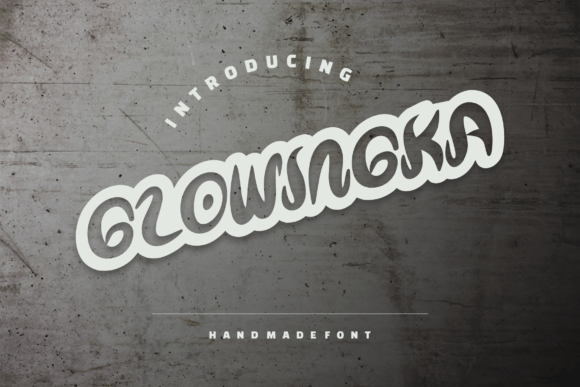
Glowingka is classified as a display font, which means it is primarily designed for use at larger sizes rather than for long blocks of body text. Its visual identity is rooted in minimalism and confidence. The font features clean, uncluttered lines that contribute to a sophisticated appearance. Unlike ornate script fonts or heavy slab serifs, Glowingka relies on geometric precision and balanced spacing to create impact.
The "cool" factor often associated with Glowingka stems from its understated elegance. It does not rely on excessive embellishments to grab attention. Instead, it exudes confidence through its structural integrity and modern proportions. This makes it a versatile tool for designers who want their typography to feel current without appearing trendy or dated quickly. The font’s ability to make text stand out with flair is achieved through subtle stylistic choices that enhance readability while maintaining a distinct personality.
Primary Use Cases and Applications
When evaluating whether Glowingka is suitable for your project, it is essential to consider where display fonts typically perform best. Due to its design nature, Glowingka is optimized for short-form content where visual impact is paramount.
- Logos and Brand Marks: The clean lines of Glowingka make it an excellent candidate for logo design. It offers enough distinctiveness to be memorable while remaining legible at various scales.
- Headlines and Titles: In editorial design or web layouts, Glowingka can serve as a striking headline font. Its contemporary aesthetic helps draw the reader’s eye to key messages.
- Posters and Print Media: For promotional materials, the font’s sophistication allows it to convey premium quality. It works well in minimalist poster designs where whitespace is used effectively.
- Branding Materials: From business cards to packaging, Glowingka adds a layer of modern professionalism. It is particularly effective for brands aiming to project an image of innovation and reliability.
Benefits of Choosing Glowingka
There are several practical reasons why a designer or brand manager might select Glowingka over other options. First, its versatility is a significant advantage. While many display fonts are niche and only work in very specific contexts, Glowingka’s neutral yet stylish character allows it to adapt to various industries, from tech startups to fashion labels.
Second, the font promotes clarity. In an era where users scan content rapidly, typography that is easy to process is valuable. Glowingka’s clean structure ensures that the message is communicated without visual friction. This is crucial for headlines that need to be understood instantly.
Third, the font supports a modern brand narrative. Companies looking to refresh their image often turn to typography that signals forward-thinking values. Glowingka’s contemporary aesthetic aligns well with brands that want to appear relevant and sophisticated without being overly aggressive or loud.
Tradeoffs and Limitations to Consider
No typeface is universally perfect, and understanding the limitations of Glowingka is vital for making an informed decision. As a display font, it is not intended for extended reading. Using Glowingka for paragraph text, articles, or detailed descriptions will likely result in poor readability and user fatigue. The geometric shapes and specific spacing that look elegant at large sizes can become distracting or difficult to parse when reduced to small point sizes.
Additionally, because Glowingka leans towards a clean and minimal style, it may lack the warmth or personality required for certain brands. For example, a children’s product line or a rustic artisanal bakery might find Glowingka too sterile or corporate. In such cases, a serif font with more organic irregularities or a handwritten script might better convey the desired emotional tone.
Another consideration is differentiation. While Glowingka is stylish, the trend towards minimal, geometric sans-serifs is widespread. Designers must ensure that their overall visual identity—including color, imagery, and layout—works in harmony with the font to create a unique brand presence. Relying solely on the font for distinctiveness may not be sufficient in a saturated market.
Comparing Glowingka to Alternatives
When selecting a typeface, it is helpful to compare Glowingka against other categories of fonts. If your project requires high legibility for long-form content, a dedicated body text font such as a humanist sans-serif or a traditional serif would be a stronger choice. These alternatives are engineered for reading comfort over extended periods.
If your goal is to evoke nostalgia or tradition, Glowingka may not be the best fit. Serif fonts with historical roots or vintage-inspired display types would better serve that purpose. However, if your objective is to project modernity, efficiency, and sleekness, Glowingka offers a competitive edge over more decorative or complex display fonts that might clutter the design.
Practical Decision-Making Insights
To determine if Glowingka is the right choice for your next project, consider the following steps:
- Define the Hierarchy: Identify where the font will be used. If it is strictly for headers, logos, or short callouts, Glowingka is likely a strong candidate. If it needs to function across all text elements, look for a comprehensive font family that includes a matching body text variant.
- Assess Brand Personality: Does your brand value precision, modernity, and sophistication? If yes, Glowingka aligns well. If your brand is playful, rustic, or highly traditional, explore other options.
- Test in Context: Always test the font in the actual medium it will be used. View Glowingka on different screens and in print proofs. Ensure that the "clean lines" remain crisp and that the spacing feels balanced in your specific layout.
- Check Licensing and Compatibility: Ensure that the license for Glowingka covers your intended use, whether it is for web, print, or commercial branding. Verify that the font files are compatible with your design software and web platforms.
Conclusion
Glowingka represents a solid choice for designers and brands seeking a modern, versatile display font. Its clean lines and contemporary aesthetic offer a blend of style and functionality that works well for logos, headlines, and branding materials. By exuding confidence and sophistication, it helps text stand out with flair. However, its effectiveness depends on appropriate application. It is best suited for short-form, high-impact text rather than body copy. By carefully considering your project’s requirements and brand identity, you can determine whether Glowingka is the optimal typographic solution to elevate your visual communication.