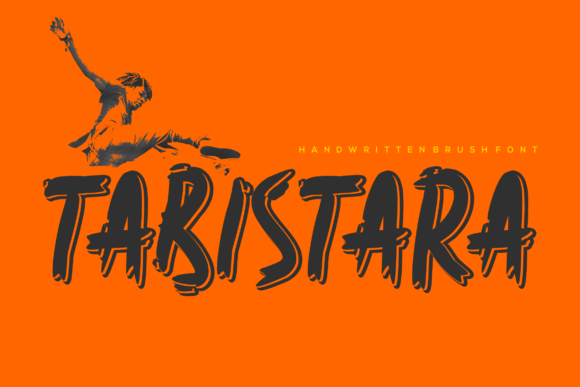
Tabistara: Evaluating a Modern Display Font for Contemporary Design Projects
In the crowded landscape of digital typography, finding a typeface that balances distinct personality with functional versatility is a common challenge for designers. Tabistara has emerged as a notable option in this space, positioning itself as a cool and unique display font that exudes contemporary sophistication. For creative professionals working on branding, editorial layouts, or digital campaigns, understanding the specific characteristics of Tabistara is essential before integrating it into a workflow. This analysis explores what makes Tabistara distinct, how it compares to other modern display styles, and where it fits best within a comprehensive design strategy.
The Aesthetic Identity of Tabistara
At its core, Tabistara is defined by its ability to merge contrasting visual elements. The font’s distinctive letterforms seamlessly blend sharp angles and flowing curves, creating a visually dynamic and modern aesthetic. This juxtaposition is not merely decorative; it serves a functional purpose in capturing attention while maintaining a sense of refined elegance. Unlike purely geometric sans-serifs that can feel cold or overly rigid, Tabistara introduces organic movement through its curved terminals and varied stroke widths.
The "sharp angles" mentioned in its description refer to the precise, almost architectural cuts found in letters like 'A', 'V', and 'W'. These angular features provide structure and stability. Conversely, the "flowing curves" soften the overall impression, preventing the typeface from appearing aggressive. This balance allows Tabistara to add a touch of bold elegance to designs without overwhelming the viewer. It is a typeface that demands attention but does so with a whisper of sophistication rather than a shout.
Comparing Tabistara to Other Display Categories
To make an informed decision about using Tabistara, it is helpful to compare it against broader categories of display typography. Designers often choose between serif, sans-serif, script, and decorative fonts. Tabistara occupies a nuanced middle ground, often classified as a modern geometric sans-serif with humanist touches.
- Versus Traditional Serifs: Classic serifs convey heritage and authority. Tabistara, by contrast, signals innovation and trendiness. If a project requires a historical or academic tone, a traditional serif may be more appropriate. However, for brands aiming to appear forward-thinking, Tabistara offers a cleaner, more current alternative.
- Versus Minimalist Sans-Serifs: Ultra-minimalist fonts are versatile but can lack character. Tabistara provides the cleanliness of a sans-serif but injects enough stylistic flair to stand out in a crowded market. It is ideal for projects requiring a standout and trendy vibe where generic fonts might fail to create a memorable brand identity.
- Versus Decorative Scripts: While scripts offer high personality, they often suffer from readability issues at smaller sizes. Tabistara maintains high legibility despite its decorative elements, making it a safer choice for headlines that need to be read quickly.
Practical Use Cases and Best-Fit Scenarios
Understanding when to deploy Tabistara is crucial for maximizing its impact. Because it is a display font, its primary strength lies in large-scale applications. Here are several scenarios where Tabistara excels:
- Fashion and Lifestyle Branding: The blend of sharp angles and flowing curves mirrors the aesthetics of modern fashion—structured yet fluid. Tabistara works exceptionally well for logo marks, lookbook headers, and packaging design where a premium, contemporary feel is required.
- Digital Media Headlines: In web design and social media graphics, catching the user’s eye within seconds is vital. Tabistara’s dynamic forms create visual interest that can increase engagement rates for hero sections and banner ads.
- Editorial Design: For magazines and digital publications focusing on culture, technology, or art, Tabistara can serve as a striking chapter title or pull-quote font. Its sophistication aligns well with high-quality editorial content.
However, it is important to note that Tabistara is not designed for body text. Using it for long paragraphs would strain the reader’s eyes due to its stylized nature. It should always be paired with a highly legible, neutral sans-serif or serif font for supporting text.
Evaluating Tradeoffs and Limitations
No typeface is universally perfect, and Tabistara is no exception. When evaluating this font, designers must consider certain tradeoffs. The very features that make it unique—its sharp angles and distinctive curves—can become liabilities if misused.
Legibility at Small Sizes: As with most display fonts, Tabistara loses its clarity when scaled down. Intricate details may blur or disappear on low-resolution screens or small print formats. Therefore, it should be avoided for footnotes, captions, or mobile navigation menus unless used very sparingly.
Contextual Fit: The "trendy vibe" of Tabistara means it is deeply rooted in contemporary design trends. While this is an advantage for modern brands, it may date quickly if the design style shifts. Projects aiming for timeless, classic longevity might benefit from more traditional typefaces. Additionally, the bold elegance of Tabistara may clash with brands that prioritize approachability and warmth over sophistication. For example, a children’s educational platform or a community-focused nonprofit might find Tabistara too stark or formal.
Decision Factors for Designers
When deciding whether Tabistara is the right choice for your project, consider the following factors:
- Brand Personality: Does the brand value innovation, luxury, and modernity? If yes, Tabistara is a strong candidate. If the brand values tradition, rustic charm, or playful whimsy, other options may be better suited.
- Medium and Scale: Will the font be used primarily in large formats? Tabistara shines in headlines, posters, and logos. If the primary need is for extensive reading material, this font should only be used for accent purposes.
- Visual Harmony: Consider the existing visual elements of the project. Tabistara pairs well with clean, minimalist imagery and ample white space. It may struggle in cluttered, chaotic layouts where its intricate details could get lost.
Integration Tips for Maximum Impact
To get the most out of Tabistara, designers should focus on spacing and hierarchy. Because the font has a strong presence, generous letter-spacing (kerning) can enhance its luxurious feel. Avoid cramming Tabistara into tight spaces; let the letters breathe to emphasize their unique shapes.
Color choice also plays a significant role. Tabistara’s sharp angles respond well to high-contrast color palettes. Black on white, or deep navy on cream, can highlight the precision of the letterforms. Experimenting with gradient overlays can also accentuate the flowing curves, adding depth and dimension to the text.
Furthermore, consider the weight variations available. If Tabistara offers multiple weights, use the bolder versions for maximum impact in headlines and lighter versions for subheadings. This creates a clear visual hierarchy while maintaining typographic consistency.
Conclusion: Is Tabistara the Right Choice?
Tabistara represents a compelling option for designers seeking a typeface that bridges the gap between structural precision and artistic flow. Its ability to exude contemporary sophistication makes it a valuable tool for modern branding and editorial projects. However, its effectiveness depends entirely on context. By understanding its strengths in large-scale display roles and acknowledging its limitations in body text applications, designers can make informed decisions.
Ultimately, Tabistara is not just a font; it is a design statement. It is best suited for projects that aim to communicate confidence, modernity, and elegance. For those willing to pair it with complementary typefaces and respect its spatial needs, Tabistara can elevate a design from ordinary to extraordinary. As with any design resource, the key lies in thoughtful application, ensuring that the typography serves the message rather than distracting from it.