LeClair Font: Evaluating a Handwritten Typeface for Brand Identity
In the crowded landscape of digital typography, finding a typeface that successfully bridges the gap between whimsical charm and professional sophistication is a significant challenge. LeClair emerges as a notable contender in this space, offering a handwritten-style aesthetic that aims to balance playfulness with maturity. For designers, brand managers, and business owners evaluating font options for logos, packaging, or display headers, understanding the specific characteristics and practical applications of LeClair is essential. This article explores the design philosophy behind LeClair, its potential benefits, and the contexts where it serves as an optimal choice versus situations where alternative typefaces might be more appropriate.
Understanding the Design Philosophy of LeClair
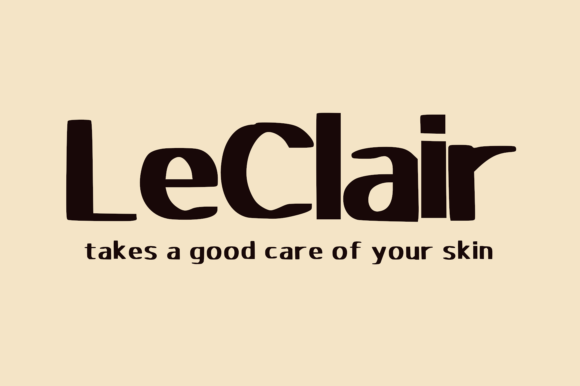
LeClair is crafted to embody an organic, natural flair through every stroke. Unlike rigid geometric sans-serifs or traditional serifs that convey strict formality, LeClair utilizes a handwritten approach that feels inviting and refreshing. The design draws inspiration from French company logo aesthetics, mirroring the essence of plush skincare brands or boutique lifestyle products. This influence is evident in its fluid curves and varied stroke weights, which create a sense of movement and human touch.
The font’s primary objective is to blend formality with fun. It avoids the chaotic energy often associated with casual script fonts, instead opting for a structured whimsy. This distinct appeal is designed to attract attention while leaving a memorable imprint, making it a strategic tool for brands seeking to establish an emotional connection with their audience without sacrificing perceived quality.
Key Benefits and Strategic Advantages
When considering LeClair for a project, several advantages become apparent, particularly for brands targeting specific market segments.
- Emotional Resonance: The organic nature of the strokes creates an immediate sense of warmth and approachability. This is crucial for industries like wellness, beauty, and artisanal goods, where trust and personal connection are paramount.
- Visual Distinctiveness: In a market saturated with clean, minimalistic sans-serif logos, LeClair offers a differentiated visual identity. Its unique character helps brands stand out on shelves and digital platforms.
- Versatility in Display: While primarily a display font, LeClair maintains legibility at larger sizes, making it ideal for headlines, packaging titles, and hero sections on websites.
- Perceived Value: The sophisticated undertones of the font can elevate the perceived value of a product, suggesting craftsmanship and attention to detail.
Practical Considerations and Tradeoffs
While LeClair offers significant aesthetic benefits, it is not a universal solution. Evaluating its tradeoffs is critical for making an informed decision.
Legibility Constraints
As with most handwritten-style fonts, LeClair is optimized for display purposes rather than body text. Its intricate strokes and organic variations can reduce readability at smaller sizes or in long paragraphs. Designers should reserve LeClair for headlines, logos, and short call-to-action buttons, pairing it with a highly legible sans-serif or serif font for supporting text.
Contextual Appropriateness
The font’s playful yet mature vibe may not align with industries that require strict authority or neutrality, such as legal services, financial institutions, or heavy industrial manufacturing. In these contexts, the whimsical elements of LeClair might undermine the desired perception of stability and rigor.
Technical Implementation
Ensuring consistent rendering across different devices and browsers is vital. Handwritten fonts can sometimes suffer from spacing issues or anti-aliasing artifacts on lower-resolution screens. Thorough testing across various platforms is recommended to maintain the font’s elegant appearance.
Ideal Use Cases for LeClair
LeClair shines in scenarios where brand personality and emotional engagement are prioritized. Specific industries and applications include:
- Skincare and Beauty Brands: The font’s alignment with French aesthetic principles makes it a natural fit for luxury skincare lines, organic cosmetics, and spa services. It conveys purity, elegance, and self-care.
- Boutique Hospitality: Hotels, cafes, and restaurants aiming for a cozy, upscale atmosphere can use LeClair in menus, signage, and branding materials to evoke a welcoming and refined experience.
- Artisanal and Handcrafted Products: Brands selling handmade goods, such as ceramics, jewelry, or specialty foods, can leverage LeClair to highlight the human touch and craftsmanship behind their products.
- Lifestyle and Wellness Blogs: Digital publications focused on mindfulness, travel, or home decor can use LeClair for headers to create a visually engaging and relaxed reading environment.
When to Consider Alternatives
Despite its strengths, there are situations where other typefaces may better serve your goals. If your project requires high-density information delivery, such as technical manuals or news articles, a neutral sans-serif like Helvetica or Inter would be more effective. Similarly, if your brand identity is built on innovation, technology, or futuristic concepts, a modern geometric font might communicate those values more clearly than the organic style of LeClair.
Additionally, if budget constraints limit access to premium font licenses, exploring open-source alternatives with similar handwritten characteristics could be a pragmatic step. However, it is important to note that free fonts often lack the refined kerning and stylistic alternates that contribute to LeClair’s polished look.
Making the Final Decision
Choosing LeClair should depend on a clear understanding of your brand’s core values and target audience. Ask yourself whether your brand benefits from a humanized, approachable voice. If the answer is yes, and if your primary communication channels involve visual-heavy media like packaging, social media graphics, or website headers, LeClair is a strong candidate.
To maximize its impact, consider pairing LeClair with a complementary typeface. A clean, lightweight sans-serif works well to balance the ornate nature of LeClair, ensuring that the overall design remains harmonious and readable. Always test the font in real-world scenarios, printing samples for physical products and viewing them on multiple devices for digital applications.
In conclusion, LeClair represents a thoughtful fusion of playfulness and maturity, offering a distinctive voice for brands seeking to connect emotionally with their audience. By carefully evaluating its strengths and limitations, you can determine whether this elegant handwritten font aligns with your strategic goals and enhances your brand’s visual identity.